
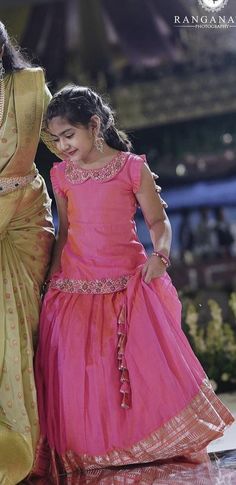
Timeless Outfits for the Young Ones
Traditional clothing for kids holds a special place in the cultural fabric of societies around the world. Whether it’s for festivals, weddings, or family gatherings, kids’ traditional wear brings together the best of heritage, color, and comfort. These outfits, often passed down through generations, represent more than just a style; they are symbols of culture, tradition, and community. In this article, we explore the beauty of kids’ traditional wear, how these outfits celebrate cultural diversity, and why they continue to be loved by both children and parents alike.
The Charm of Kids’ Traditional Wear
Kids’ traditional wear is designed to celebrate both fashion and function. These outfits are carefully crafted to ensure comfort while embracing the cultural aesthetic of the region. From vibrant sarees for girls to dapper kurta sets for boys, traditional clothing for children is an amalgamation of colors, fabrics, and intricate designs that not only highlight cultural pride but also allow children to express themselves in a joyous way.
Traditional attire for children often consists of lightweight fabrics, breathable materials, and a variety of textures to ensure they stay comfortable during ceremonies and celebrations. The outfits, while stylish, are also versatile and can be worn on multiple occasions such as religious ceremonies, weddings, cultural events, and even family get-togethers.
Popular Types of Kids’ Traditional Wear
1. Girls’ Traditional Wear
In different parts of the world, the traditional wear for girls varies, but they all share a common thread of being colorful, intricate, and full of life. Here are some of the most popular styles:
- Saree: While sarees are traditionally worn by women, many Indian cultures have tailored the saree style for young girls. Made from soft cotton or silk, the saree for kids is draped just like an adult’s saree, often with a simpler design to accommodate the younger age group.
- Lehenga Choli: A festive outfit, lehenga cholis consist of a flared skirt (lehenga), a blouse (choli), and a dupatta (scarf). This outfit is popular in India for festivals and weddings, with intricate embroidery and embellishments to make it more festive.
- Anarkali Suits: Known for their graceful design, anarkali suits are long, flowy dresses with pleats and embellishments. They are often paired with churidars or leggings and a dupatta. These suits are perfect for formal events like weddings and religious ceremonies.
- Salwar Kameez: A more practical yet elegant choice, the salwar kameez is made up of a long tunic (kameez), paired with loose-fitting pants (salwar) and a matching scarf (dupatta). This outfit is common for daily wear, festivals, and religious occasions.
- Frocks and Dresses: Western-inspired traditional dresses with a cultural twist, these frocks come with embroidered or embellished designs. They’re ideal for both formal and casual events.
2. Boys’ Traditional Wear
Boys’ traditional wear typically leans towards simplicity, comfort, and style, making it easy for them to enjoy the festivities without compromising on tradition. The following are some popular choices:
- Kurta Pajama: One of the most common outfits for boys, the kurta pajama consists of a long, tunic-like shirt (kurta) paired with matching pants (pajama). It’s an easy-to-wear and comfortable choice for festivals, weddings, or religious ceremonies.
- Sherwani: The sherwani is a regal outfit typically worn at weddings or formal celebrations. It consists of a long coat-like jacket that is often richly embroidered, paired with a churidar or pants. This traditional attire adds a royal touch to any event.
- Dhoti Kurta: The dhoti kurta is a traditional Indian outfit that consists of a loose, cloth tied around the waist (dhoti) and a matching kurta. This outfit is often seen during religious festivals and traditional ceremonies.
- Jodhpuri Suit: The Jodhpuri suit is a fusion of traditional and contemporary styles, combining a tailored jacket with trousers. It’s perfect for formal events and provides a modern twist to classic traditional wear.
- Indo-Western Outfits: These outfits combine elements of both Indian and Western fashion. A kurta can be paired with jeans or trousers for a casual yet traditional look, perfect for informal family gatherings.
Why Kids’ Traditional Wear is Special
1. Cultural Significance
Traditional outfits are an essential part of cultural identity. For children, wearing traditional clothing allows them to experience the culture and heritage of their family and community. Festivals, weddings, and family gatherings are important times for cultural bonding, and traditional clothing acts as a means of connecting younger generations with their roots.
2. Comfort and Practicality
While traditional wear is often designed with intricate detailing and heavy embellishments for adults, kids’ traditional clothing is made with their comfort in mind. Soft fabrics like cotton, silk blends, and georgette are used to ensure that children can move freely and stay comfortable throughout the day. Many traditional outfits for kids are designed to be lightweight and easy to wear, ensuring that kids can enjoy the festivities without feeling restricted.
3. Versatility for Different Occasions
From religious ceremonies to weddings and family parties, traditional wear is versatile enough for various events. The bright, colorful designs often seen in kids’ clothing make them a festive and joyous choice, while the simple, elegant cuts ensure that they remain appropriate for more formal occasions.
4. Style and Celebration
Kids love to dress up, and traditional wear offers them the opportunity to look their best. The intricate designs, embroidery, and use of accessories like bangles, hairpins, and scarves enhance the overall look and make children feel special. These outfits bring a sense of celebration and allow kids to enjoy the festive spirit.
Kids’ Traditional Wear Around the World
Traditional clothing for children varies across cultures, reflecting the diverse practices and histories around the world. In Japan, the kimono is a cherished traditional garment for children, especially during special events like the Shichi-Go-San festival. In the Middle East, boys and girls often wear the thobe and abaya, garments that are both comfortable and modest, perfect for religious and cultural occasions. Each country has its own variation of traditional clothing, and it is important for children to learn about and appreciate the beauty and diversity of these garments.
Conclusion
Kids’ traditional wear plays a vital role in preserving cultural heritage while ensuring that children are comfortable, stylish, and ready to participate in important life events. These outfits are much more than just clothes; they are a celebration of the child’s heritage, a way of connecting with family traditions, and a means of showing respect for cultural practices. Whether it’s a lehenga for a girl or a kurta for a boy, kids’ traditional wear allows the younger generation to embrace their culture with pride and joy. So, the next time your child dresses up in traditional attire, know that they are carrying forward a rich legacy of customs, fashion, and love.