
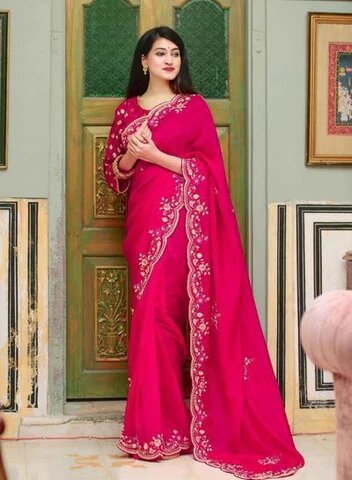
Silk sarees hold a cherished place in the cultural and fashion heritage of India. Revered for their exquisite craftsmanship, timeless beauty, and cultural significance, they are more than just garments—they are symbols of tradition, elegance, and artistry. Let us delve into the origins, varieties, craftsmanship, and cultural significance of, while appreciating their global appeal and enduring charm.
The Origins of Silk Sarees
The history of can be traced back to ancient India. The art of sericulture (silk farming) is believed to have originated over 4,000 years ago in China but quickly spread to India, where it flourished due to the favorable climatic conditions and skilled artisans. Ancient Indian scriptures and texts, such as the Rigveda and Arthashastra, reference the use of silk in clothing, signifying its long-standing importance.
became popular among royalty and the elite due to their luxurious texture and regal appearance. Over centuries, the weaving of evolved into a specialized art form, with different regions of India developing their own distinct styles and techniques.
Varieties of Silk Sarees
India’s diverse cultural and geographical landscape has given rise to an impressive array of each with unique patterns, textures, and weaving styles. Here are some of the most celebrated varieties:
- Banarasi Silk Sarees
Originating from Varanasi (Banaras), Banarasi sarees are renowned for their intricate gold and silver brocade work, known as zari. Often featuring elaborate floral patterns, motifs, and Mughal-inspired designs, they are a staple for weddings and festive occasions. - Kanjeevaram
Hailing from Tamil Nadu, Kanjeevaram sarees are synonymous with opulence. They are crafted using pure mulberry silk and are known for their vibrant colors, broad contrast borders, and intricate temple and floral designs. - Mysore
Originating in Karnataka, Mysore are known for their subtle elegance, minimalistic designs, and rich, glossy texture. These sarees are often adorned with zari borders and are lightweight yet luxurious. - Tussar Silk Sarees
Tussar silk, primarily produced in Bihar, Jharkhand, and Odisha, is prized for its natural golden sheen. Tussar sarees are eco-friendly and often feature tribal art and bold motifs. - Patola Silk Sarees
From Gujarat, Patola sarees are double-ikat woven masterpieces. They are known for their vibrant geometric patterns and are considered symbols of status and prestige. - Baluchari Silk Sarees
Originating from West Bengal, Baluchari sarees are famous for their storytelling designs. These sarees often depict mythological scenes, making them a wearable canvas of art.
The Craftsmanship Behind Silk Sarees
The creation of a is a labor-intensive process that demands exceptional skill and patience. It begins with sericulture, where silk threads are harvested from silkworm cocoons. These threads are dyed in vibrant colors and woven into intricate patterns using traditional handlooms.
Artisans often spend weeks or even months to complete a single saree, depending on the complexity of the design. Techniques such as zari work, jacquard weaving, and hand-painting are used to enhance the beauty of .
Cultural Significance of Silk Sarees
are deeply ingrained in Indian culture and hold immense symbolic value. They are considered auspicious and are integral to celebrations, rituals, and milestones in life.
- Weddings: A bride’s trousseau is incomplete without The Kanjeevaram saree, in particular, is a popular choice for South Indian brides, while Banarasi sarees are favored in the north.
- Festivals: are often worn during religious ceremonies and festivals as they are believed to bring prosperity and blessings.
- Inheritance: are often passed down through generations as heirlooms, preserving family traditions and memories.
Global Appeal of Silk Sarees
have transcended borders to become a global fashion statement. Designers worldwide incorporate traditionalinto contemporary outfits, blending modernity with tradition. Bollywood and international celebrities have also played a significant role in popularizing on global platforms.
The growing demand for sustainable and artisanal fashion has further boosted the popularity of . Consumers are increasingly drawn to the craftsmanship and eco-friendly aspects of handwoven sarees, making them a sought-after choice in the luxury fashion market.
Caring for Your Silk Saree
Given their delicate nature, require special care to maintain their luster and longevity:
- Dry Cleaning: Always dry clean to avoid damage from harsh detergents.
- Storage: Store them in a cool, dry place, wrapped in a cotton or muslin cloth to prevent exposure to moisture and insects.
- Ironing: Use a low-heat setting or steam iron to avoid scorching the fabric.
- Folding: Change the fold periodically to prevent creases from becoming permanent.
The Future of Silk Sarees
Theindustry faces challenges such as competition from synthetic alternatives and declining numbers of skilled artisans. However, initiatives to revive handloom weaving and promote traditional crafts are helping sustain this heritage.
Organizations and government programs are working to empower artisans and promote globally. The advent of e-commerce has also made it easier for customers worldwide to access authentic directly from weavers.
Conclusion
are more than just garments—they are works of art that embody centuries of tradition, culture, and craftsmanship. Whether draped for a wedding, a festival, or a special occasion, they exude grace and sophistication, making every woman feel like royalty.
As they continue to evolve and adapt to modern trends, remain a testament to India’s rich heritage and a timeless treasure in the world of fashion. Owning and wearing a is not just a style statement; it is a celebration of history, artistry, and enduring beauty.